Quotessence
Home / Quotes / Quote by Charles Bradlaugh

Quote by Charles Bradlaugh

Work

Speeches

This book compiles speeches from different speakers, covering a wide range of subjects and themes, offering insights into various perspectives and ideas. more

Author

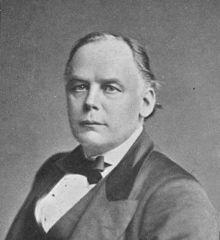
Charles Bradlaugh
Charles Bradlaugh

Charles Bradlaugh, a British politician born on September 26, 1833, and died on January 30, 1891, was a prominent atheist and liberal. He served as a Member of Parliament, advocating for social reforms and the promotion of education. more

You May Also Like

“The House, being strong, should be generous ... but the constituents have a right to more than generosity.... The law gives me my seat. In the name of the law I ask for it. I regret that my personality overshadows the principles involved in this great struggle; but I would ask those who have touched my life, not knowing it, who have found for me vices which I do not remember in the memory of my life, I would ask them whether all can afford to cast the first stone ... then that, as best judges, they will vacate their own seats, having deprived my constituents of their right here to mine.”

“God is a spirit. Jesus was led up of the Spirit to be tempted of the Devil; and it is also true that spirits are very likely to lead men to the Devil. Too intimate acquaintance with whisky toddy overnight is often followed by the delirium tremens and blue-devils on the morrow. We advise our readers to eschew alike spirituous and spiritual mixtures. They interfere sadly with sober thinking, and play the Devil with your brains.”

“On the Cross the Jesus of the Four Gospels, who was God, cried out My God, my God, why hast thou forsaken me? God cannot forsake himself, Jesus was God himself. Yet God forsook Jesus, and the latter cried out to know why he was forsaken. Any able divine will explain that of course he knew, and that he was not forsaken. The explanation renders it difficult to believe the dying cry, and the passage becomes one of the mysteries of the holy Christian religion, which, unless a man rightly believe, without doubt he shall perish everlastingly.”