“I love being superior to myself better than [to] my equals.”
Quote by Samuel Taylor Coleridge
Work
Samuel Taylor Coleridge: The Man Behind The Lyrics (Illustrated Edition): Autobiographical Works (Memoirs, Complete Letters, Literary Introspection, Thoughts and Notes on Poetry); Including Extensive Biographies and Studies on S. T. Coleridge
This book is a detailed compilation of Samuel Taylor Coleridge's personal writings and scholarly analyses. It includes his memoirs, which offer insights into his life and thoughts, as well as his complete letters, providing a glimpse into his correspondence and social interactions. The literary introspection section delves into his thoughts on poetry and literature, while the notes on poetry offer a deeper understanding of his creative process. Additionally, the book includes extensive biographies and studies that explore Coleridge's life, work, and influence on English literature. more
Author
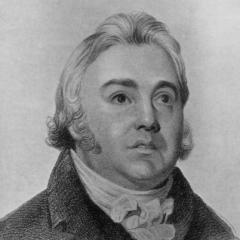
Samuel Taylor Coleridge
Samuel Taylor Coleridge was an English poet, critic, and philosopher, renowned for his works such as 'The Rime of the Ancient Mariner' and 'Kubla Khan'. A leading figure in the Romantic movement, his work has had a significant impact on English literature. more
You May Also Like
Source: The Complete Works of Samuel Taylor Coleridge: With an Introductory Essay Upon His Philosophical and Theological Opinions
“Iambics march from short to long;-- With a leap and a bound the swift Anapaests throng”
Source: Selected Poetry
Source: Specimens of the Table Talk of the Late Samuel Taylor Coleridge: In Two Volumes
Source: Collected Works of Samuel Taylor Coleridge: Table Talk (2 v.)
“To be beloved is all I need, And whom I love, I love indeed.”
Source: Letters, conversations, and recollections of S. T. Coleridge: in two volumes
“Life went a-maying With Nature, Hope, and Poesy, When I was young!”
Source: The Complete Works of Samuel Taylor Coleridge: With an Introductory Essay Upon His Philosophical and Theological Opinions
Source: Golden Hours with Samuel Taylor Coleridge
“And I, the while, the sole unbusy thing, Nor honey make, nor pair, nor build, nor sing.”
Source: The Collected Works of Samuel Taylor Coleridge