“The myriad-minded man, our, and all men's, Shakespeare, has in this piece presented us with a legitimate farce in exactest consonance with the philosophical principles and character of farce, as distinguished from comedy and from entertainments. A proper farce is mainly distinguished from comedy by the licence allowed, and even required, in the fable, in order to produce strange and laughable situations. The story need not be probable, it is enough that it is possible.”
Quote by Samuel Taylor Coleridge
Work
Shakespeare, With Introductory Matter on Poetry, The Drama, and The Stage by S.T. Coleridge: Coleridge’s Essays and Lectures on Shakespeare and Other Old Poets and Dramatists
Shakespeare, With Introductory Matter on Poetry, The Drama, and The Stage is a scholarly work that delves into the literary and dramatic aspects of Shakespeare’s plays and poetry. S.T. Coleridge’s essays and lectures provide a critical examination of Shakespeare’s works, offering readers a deeper understanding of the Bard’s contributions to English literature. The book also includes Coleridge’s analysis of other significant poets and dramatists from the past, enriching the discussion with comparative perspectives. more
Author
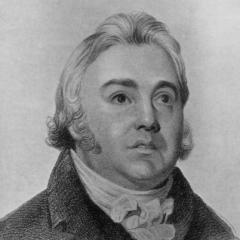
Samuel Taylor Coleridge
Samuel Taylor Coleridge was an English poet, critic, and philosopher, renowned for his works such as 'The Rime of the Ancient Mariner' and 'Kubla Khan'. A leading figure in the Romantic movement, his work has had a significant impact on English literature. more
You May Also Like
Source: Specimens of the Table Talk of Samuel Taylor Coleridge
Source: Collected Letters: 1820-1825
Source: Biographia Literaria, Or, Biographical Sketches of My Literary Life and Opinions
Source: Biographia Literaria: Or, Biographical Sketches of My Literary Life and Opinions
Source: Specimens of the Table Talk of Samuel Taylor Coleridge
Source: Specimens of the Table Talk of Samuel Taylor Coleridge
“A wild rose roofs the ruined shed, And that and summer well agree.”
Source: The Complete Works of Samuel Taylor Coleridge: With an Introductory Essay Upon His Philosophical and Theological Opinions