“The right to be heard would be, in many cases, of little avail if it did not comprehend the right to be heard by counsel. Even the intelligent and educated layman has small and sometimes no skill in the science of law.”
Quote by George Sutherland
Author
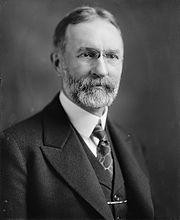
George Sutherland
George Sutherland, a former Associate Justice of the Supreme Court of the United States, was born on March 25, 1862, and died on July 18, 1942. He was a prominent legal scholar and judicial officer, known for his contributions to the interpretation of the U.S. Constitution. more
You May Also Like
Source: V.
Source: V.: A Novel
Source: The Crying of Lot 49
Source: The Crying of Lot 49
Source: The Crying of Lot 49
Source: Mason & Dixon
Source: Letters Written by Eminent Persons in the Seventeenth and Eighteenth Centuries: to which are Added, Hearne's Journeys to Reading, and to Whaddon Hall, the Seat of Browne Willis, Esq., and Lives of Eminent Men, by John Aubrey, Esq: The Whole Now First Published from the Originals in the Bodleian Library and Ashmolean Museum, with Biographical and Literary Illustrations ...
“I'm shocked at the sexism and double standard coming out of the far right.”
Source: Root is man: progressivism vrs. radicalism
Source: The Root is Man: Two Essays in Politics