“My spirit will sleep in peace; or if it thinks, it will not surely think thus. Farewell.”
Quote by Mary Wollstonecraft Shelley
Work
Frankenstein: Or the Modern Prometheus
Mary Shelley's Frankenstein: Or the Modern Prometheus is a seminal work of Gothic fiction that delves into the consequences of scientific ambition and the moral implications of creating life. The story follows the protagonist, Victor Frankenstein, as he attempts to bring a dead body to life and the subsequent chaos that ensues. more
Author
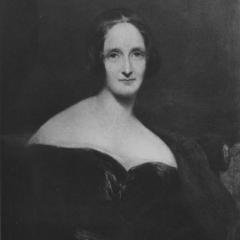
Mary Wollstonecraft Shelley
Mary Wollstonecraft Shelley was an English novelist best known for her famous work, 'Frankenstein'. Born on August 30, 1797, and passing away on February 1, 1851, she was an early female writer whose works explored themes such as women's rights, social inequalities, and scientific ethics. more
You May Also Like
“When two people are meant to be together, they will be together. It's fate.”
“I just can't. I'm married. I made my bed and now I have to lie in it.”
Source: World of the Queen's Thief Collection: The Thief, The Queen of Attolia, The King of Attolia, A Conspiracy of Kings, Thick as Thieves
Source: Mill's On Liberty
Source: Autobiography John Stuart Mill: Top Biography
Source: Utilitarianism: Mill's Works