“Large eyes were admired in Greece, where they still prevail. They are the finest of all when they have the internal look, which is not common. The stag or antelope eye of the Orientals is beautiful and lamping, but is accused of looking skittish and indifferent. "The epithet of 'stag-eyed,'" says Lady Wortley Montgu, speaking of a Turkish love-song, "pleases me extremely; and I think it a very lively image of the fire and indifference in his mistress' eye.”
Quote by Leigh Hunt
Work
Men, Women, and Books: A Selection of Sketches, Essays, and Critical Memoirs, from His Uncollected Prose Writings
The book is a compilation of the author's uncollected prose writings, including various sketches and essays that delve into the complexities of human relationships and the appreciation of literature. more
Author
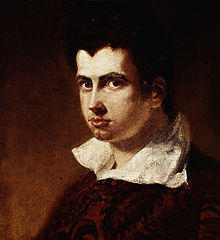
Leigh Hunt
Leigh Hunt was an English poet, essayist, and journalist, born in October 1784 and died on August 28, 1859. He was a prominent figure in the Romantic movement and is known for his literary contributions and social activism. more
You May Also Like
Source: Men, Women, and Books: A Selection of Sketches, Essays, and Critical Memoirs from His Uncollected Prose Writings
Source: Men, Women, and Books: A Selection of Sketches, Essays, and Critical Memoirs, from His Uncollected Prose Writings
“Happy opinions are the wine of the heart.”
Source: A Day by the Fire: And Other Papers, Hitherto Uncollected
“Poetry is the breath of beauty.”
Source: Fiction and matter of fact. Inside of an omnibus. Day of the disasters of Carlington Blundell. Visit to the zoological gardens. A man introduced to his ancestors. Novel party. Beds and bedrooms. World of books. Jack Abbott's breakfast. On seeing a pigeon make love. Month of May. The Giuli tre. Few remarks on the cure vice called lying. Criticism on female beauty. Of deceased statesmen who have written verses. Female sovereigns of England
Source: The Religion of the Heart: A Manual of Faith and Duty
Source: The Correspondence of Leigh Hunt
Source: The Religion of the Heart: A Manual of Faith and Duty