“Count not thyself to have found true peace, if thou hast felt no grief; nor that then all is well if thou hast no adversary; nor that this is perfect, if all things fall out according to thy desire.”
Quote by Thomas a Kempis
Work
The Confessions of St. Augustine, Including the Imitation of Christ
This volume combines two enduring works of Western Christian spirituality. The first part contains the Confessions, traditionally attributed to Saint Augustine of Hippo, a deeply personal autobiographical account of one man's spiritual journey toward divine grace and understanding of God, written in the late fourth century. The second part presents The Imitation of Christ, a medieval text attributed to Thomas à Kempis that offers practical guidance on Christian living, humility, and inner devotion. These works have remained central to Christian contemplative practice and have been widely read across denominational boundaries throughout Western religious history. more
Author
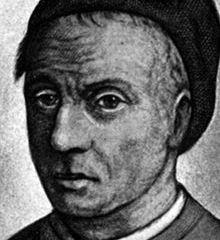
Thomas a Kempis
Thomas a Kempis (1380 - July 25, 1471) was a German canon, known for his spiritual writings. He is best known for his work 'The Imitation of Christ,' which has had a profound impact on Christian thought and practice. more
You May Also Like
Source: The Poetical Works of G. H. and R. Heber. With Memoir
Source: The poetical works of George Herbert