“My virginity weighed like a millstone around my neck. It had been of such enormous importance to me for so long that my habit was to defend it at all costs. I had been defending it for five years and I was sick of it.”
Book:the bell jar
“My virginity weighed like a millstone around my neck. It had been of such enormous importance to me for so long that my habit was to defend it at all costs. I had been defending it for five years and I was sick of it.”
This book is a profound exploration of the psychological struggles of a young woman named Esther Greenwood, who experiences a breakdown while working as a guest editor at a prominent magazine. Set in the 1950s, it delves into the complexities of mental illness, societal expectations, and the search for identity. more
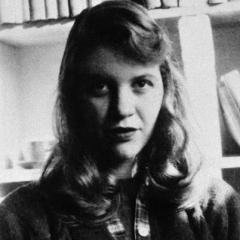
American poet, novelist, and playwright. Her works are known for their profound emotion and unique style, and she is considered one of the most important female writers of the 20th century. more
“They say a virgin is the most precious thing in the world... I never understood it before now.”
“A man that has not dealt with his foundation cannot deal with another man's foundation.”
“Terrific," Simon said. "The psychos are on my side.”