“I have amazing news for you. Man is not alone on this planet. He is part of a community, upon which he depends absolutely.”
Book:Ishmael: A Novel
“I have amazing news for you. Man is not alone on this planet. He is part of a community, upon which he depends absolutely.”
In this thought-provoking novel, Ishmael, a young man, embarks on a journey of self-discovery and enlightenment. Guided by a wise teacher named Phebe, he delves into the complexities of human existence, the state of the environment, and the interconnectedness of all life. The narrative is interspersed with philosophical musings and discussions on ethics, science, and the human condition. more
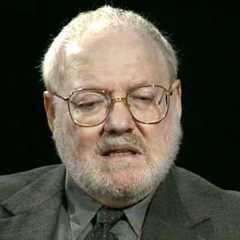
Daniel Quinn is an American novelist known for his profound insights into human history and culture. His works often explore the relationship between humans and nature, as well as the development of human civilization. more
“The most incredible thing about miracles is that they happen.”
“I love to smell flowers in the dark," she said. "You get hold of their soul then.”
“Thou Shalt Not is soon forgotten, but Once Upon a Time is forever.”