“Speak what you think today in hard words and tomorrow speak what tomorrow thinks in hard words again, though it contradict every thing you said today.”
Quote by Ralph Waldo Emerson
Work
Delphi Complete Works of Ralph Waldo Emerson (Illustrated)
The Delphi Complete Works of Ralph Waldo Emerson (Illustrated) is a meticulously compiled and beautifully illustrated volume that brings together the extensive literary output of Ralph Waldo Emerson. This collection encompasses his essays, lectures, and poetry, showcasing his profound impact on American literature and philosophy. The inclusion of illustrations adds a visual dimension to the text, enhancing the reader's experience of Emerson's work. more
Author
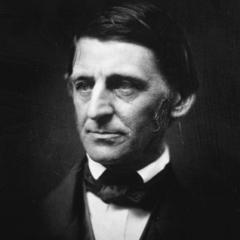
Ralph Waldo Emerson
American essayist, poet, and philosopher. Born on May 25, 1803, and died on April 27, 1882. Known for his transcendentalist philosophy, his works have had a profound impact on literature and the intellectual world. more
You May Also Like
Source: SHOGUN
Source: Coraline
Source: Meditations: A New Translation
Source: The Portable Nietzsche
Source: The Illustrated West with the Night
“Yes, frosting. The final defense of the dying.”
Source: The Hunger Games Trilogy