“In spite of Jean-Jacques and his school, men are not everywhere born free, any more than they are everywhere in chains, unless these be of their own individual making.”
Quote by Francis Marion Crawford
Work
Mr. Isaacs; a Tale of Modern India
This work presents a fictional exploration of life in India under British rule during the later colonial period. The narrative examines the social dynamics, cultural intersections, and moral considerations present in the colonial setting, offering a period perspective on Anglo-Indian relations. The title character serves as a lens through which the complexities of colonial administration and personal relationships across cultural divides are explored. As a product of its era, the novel reflects Victorian literary conventions and attitudes toward imperial India, providing readers with a historical glimpse into fictional representations of colonial Indian life from the period. more
Author
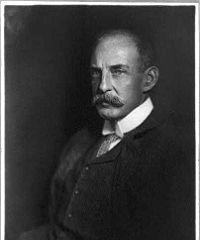
Francis Marion Crawford
Francis Marion Crawford was an American writer known for his adventure and detective novels. His works are characterized by historical settings and complex character relationships, which have won him a large following among readers. more
You May Also Like
“The peach-bud glows, the wild bee hums, and wind-flowers wave in graceful gladness.”
Source: A New England Girlhood, Outlined from Memory
Source: A New England girlhood
“How loud clocks can tick when a room is empty, and one is alone!”
Source: Selected Poems of Amy Lowell
“How hard, how desperately hard, is the way of the experimenter in art!”
Source: Complete poetical works: With an introd. by Louis Untermeyer
Source: Tendencies in Modern American Poetry