Quotessence
Home / Quotes / Quote by Richard Yates

Quote by Richard Yates

Work

Revolutionary Road

This novel delves into the story of Frank and April Wheeler, a seemingly perfect couple in the 1950s, as they navigate the challenges of their unfulfilling lives and the societal pressures of their time. more
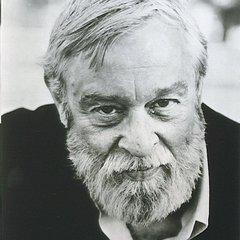
Author

Richard Yates
Richard Yates

Richard Yates (1926-1992) was an American novelist renowned for his unflinching portrayals of suburban American life and the disillusionment of the post-war middle class. His debut novel "Revolutionary Road" (1961) is now considered a classic of American literature. A World War II veteran, Yates wrote with raw honesty about the broken American Dream and the quiet desperation of ordinary lives. Though underappreciated during his lifetime, his work influenced generations of writers and gained recognition after his death. more

You May Also Like

“Together they had overcome the daily incomprehension, the instantaneous hatred, the reciprocal nastiness, and fabulous flashes of glory in the conjugal conspiracy. It was time when they both loved each other best, without hurry or excess, when both were most conscious of and grateful for their incredible victories over adversity. Life would still present them with other moral trials, of course, but that no longer mattered: they were on the other shore.”

“Selfishly, perhaps, Catti-brie had determined that the assassin was her own business. He had unnerved her, had stripped away years of training and discipline and reduced her to the quivering semblance of a frightened child. But she was a young woman now, no more a girl. She had to personally respond to that emotional humiliation, or the scars from it would haunt her to her grave, forever paralyzing her along her path to discover her true potential in life.”

“But Mole stood still a moment, held in thought. As one wakened suddenly from a beautiful dream, who struggles to recall it, but can recapture nothing but a dim sense of the beauty in it, the beauty! Till that, too, fades away in its turn, and the dreamer bitterly accepts the hard, cold waking and all its penalties.”