Quotessence
Home / Quotes / Quote by Orson Scott Card

Quote by Orson Scott Card

“As I recall, St. Paul stood by and held the coats of the men who were stoning him (Stephen). Apparently he wasn't a believer at the time. In fact, I think he was regarded as the most terrible enemy of the Church. And yet he later repented, didn't he? So I suggest you think of me, not as the enemy of God, but as an apostle who has not yet been stopped on the road to Damascus”

Quote by Orson Scott Card

Work

Speaker for the Dead

In this science fiction novel, the protagonist is a 'speaker for the dead,' a role that allows them to communicate with the deceased. The story explores the moral and ethical implications of this ability, as well as the profound impact of loss and the quest for justice. more

Author

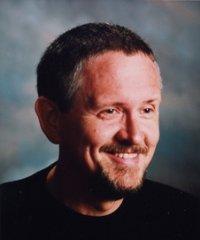
Orson Scott Card
Orson Scott Card

Orson Scott Card, born on August 24, 1951, is a renowned science fiction novelist from the United States. His works are known for their profound philosophical insights and rich imagination, with 'Ender's Game' series being particularly famous and influential in the science fiction genre. more

You May Also Like

“Then I read that Jesus was a friend of sinners. This still bothers me. Not because Jesus was a friend of sinners (because that came in really handy in my case). It bothered me because if I'm trying to live like Jesus, that means I'm supposed to be a friend of sinners too.”

“I know, I know…there’s something cliché about that. The heroine initially wanting to clobber a protagonist male, but later realizing that he’s grown on her and she actually really likes him. Technically, I’m not supposed to find that appealing. But maybe real life is a lot more cliché than anyone wants to admit. Or maybe there’s just a fine, subjective line between the cliché and the poetic.”

“We have seen some gatekeeping or fencing-the-table language already beginning to rear its head in this context. One needed to be baptized to take the meal; one needed to repent to take the meal; one needed a bishop or his subordinate to serve the meal. This was to become especially problematic when the church began to suggest that grace was primarily, if not exclusively, available through the hands of the priest and by means of the sacrament. One wonders what Jesus, dining with sinners and tax collectors and then eating his modified Passover meal with disciples whom he knew were going to deny, desert, and betray him, would say about all this. There needs to be a balance between proper teaching so the sacrament is partaken of in a worthy manner and overly zealous policing of the table or clerical control of it.”

“Unless some people are commissioned for the task, there will be no gospel preachers; unless the gospel is preached, sinners will not hear Christ’s message and voice; unless they hear him, they will not believe the truths of his death and resurrection; unless they believe these truths, they will not call on him; and unless they call on his name, they will not be saved.”