“The substance of the universe is obedient and compliant; and the reason which governs it has in itself no cause for doing evil, for it has no malice, nor does it do evil to anything, nor is anything harmed by it. But all things are made and perfected according to this reason.”
Quote by Marcus Aurelius
Work
Stoic Six Pack: Meditations of Marcus Aurelius, Golden Sayings, Fragments and Discourses of Epictetus, Letters from a Stoic and The Enchiridion
The book is a compilation of key texts from Marcus Aurelius, a Roman Emperor and philosopher, and Epictetus, a Greek Stoic philosopher. It includes the Meditations, a series of personal writings by Marcus Aurelius, reflecting on his own life and governance. The Golden Sayings of Epictetus are a collection of his teachings, emphasizing the importance of inner peace and virtue. Additionally, the book features fragments and discourses from Epictetus, as well as letters from Marcus Aurelius, and The Enchiridion, a manual of Stoic philosophy by Epictetus. These works provide a comprehensive introduction to Stoic thought and its practical application in daily life. more
Author
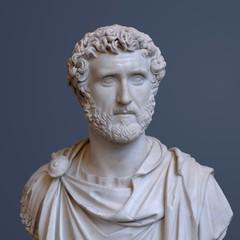
Marcus Aurelius
Marcus Aurelius, born in 121 AD and died in 180 AD, was an emperor of the Roman Empire. He is one of the Five Good Emperors and is known for his philosophical thoughts and the stability of his reign. He was not only an outstanding politician but also a famous Stoic philosopher, whose work 'Meditations' has had a profound impact on later generations. more
You May Also Like
Source: Stoic Six Pack: Meditations of Marcus Aurelius, Golden Sayings, Fragments and Discourses of Epictetus, Letters from a Stoic and The Enchiridion
“It is a shame for the soul to be first to give way in this life, when thy body does not give way.”
Source: Stoic Six Pack: Meditations of Marcus Aurelius, Golden Sayings, Fragments and Discourses of Epictetus, Letters from a Stoic and The Enchiridion
Source: Meditations
Source: Stoic Six Pack: Meditations of Marcus Aurelius, Golden Sayings, Fragments and Discourses of Epictetus, Letters from a Stoic and The Enchiridion
Source: Thoughts of Marcus Aurelius Antoninus
Source: Stoic Six Pack: Meditations of Marcus Aurelius, Golden Sayings, Fragments and Discourses of Epictetus, Letters from a Stoic and The Enchiridion