“Against the insidious wiles of foreign influence . . . the jealousy of a free people ought to be constantly awake.”
Quote by George Washington
Work
Washington's Farewell Address: The Proclamation of Jackson Against Nullification, and the Declaration of Independence
Washington's Farewell Address: The Proclamation of Jackson Against Nullification, and the Declaration of Independence is a scholarly examination of three cornerstone documents in American political history. It analyzes the Farewell Address, which outlined Washington's vision for the young nation, and Jackson's opposition to nullification, a pivotal issue in early American politics. Additionally, the book delves into the Declaration of Independence, its principles, and its enduring impact on the United States. more
Author
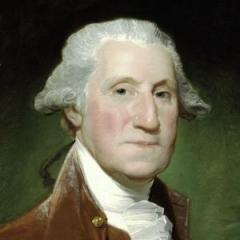
George Washington
George Washington was the first President of the United States and a key figure in the American Revolutionary War. Born on February 22, 1732, and died on December 14, 1799, Washington is known for his strong leadership and belief in democracy, playing a crucial role in American history. more
You May Also Like
“A nation has a right to manage its own concerns as it thinks fit.”
Source: The Works of Alexander Hamilton: Cabinet papers. 1789-1794
“Every nation ought to have a right to provide for its own happiness.”
Source: The Works of Alexander Hamilton: Cabinet papers. 1789-1794
Source: Washington's Farewell Address: The Proclamation of Jackson Against Nullification, and the Declaration of Independence
“Enemies in War, in Peace Friends.”
Source: The Works of Thomas Jefferson: Correspondence 1771 - 1779, the Summary View, and the Declaration of Independence
Source: John Quincy Adams and American continental empire: letters, papers and speeches
Source: James Madison's
Source: Thomas Jefferson: Thoughts on War and Revolution : Annotated Correspondence