Quotessence
Home / Quotes / Quote by Arthur D. Levinson

Quote by Arthur D. Levinson

“If you want an innovative environment, hire innovative people, listen to them tell you what they want, and do it.”

Quote by Arthur D. Levinson

Author
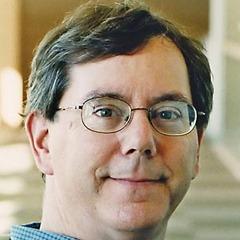
Arthur D. Levinson
Arthur D. Levinson

Arthur D. Levinson is an outstanding business leader, born on March 31, 1950. He has over 30 years of experience in the biotechnology and pharmaceutical industries, serving as the CEO of Genentech, a company he led to significant growth and success in the global biopharmaceutical sector. more

You May Also Like

“I understand why creative people like dark, but American audiences dont like dark. They like story. They do not respond to nervous breakdowns and unhappy episodes that lead nowhere. They like their characters to be a part of the action. They like strength, not weakness, a chance to work out any dilemma.”

“You can either tell yourself, 'It's too hard, I don't think I'll be able to do it,' or 'Yes, I can do this. Let me at it!' Only a fine line separates the two. But I'll tell you one thing: if you work like crazy, you'll come to display capabilities that you never knew you had--potentials that you always possessed, but never tapped.”

“Do not be angry with people who are weak. That is the mark of a coward. There are plenty of things to be angry about in the world--people wielding political or religious authority who have been blinded by money, for example! That is the kind of evil young people should direct their rage at. Be angry about that, and you'll never lose your temper about trifling matters.”

“When we are upset, it’s easy to blame others. However, the true cause of our feelings is within us. For example, imagine yourself as a glass of water. Now, imagine past negative experiences as sediment at the bottom of your glass. Next, think of others as spoons. When one stirs, the sediment clouds your water. It may appear that the spoon caused the water to cloud – but if there were no sediment, the water would remain clear no matter what. The key, then, is to identify our sediment and actively work to remove it.”