Quotessence
Home / Quotes / Quote by Gina Prince-Bythewood

Quote by Gina Prince-Bythewood

“Even if someone doesn't look like you or you don't know people like this in your real life, you get to know them and you get to see their humanity and you get to empathize with them. Our hope is that through empathy that can spark change. We hope people start talking to each other and our show sparks conversation because we need to start talking to each other, not at each other.”

Quote by Gina Prince-Bythewood

Author
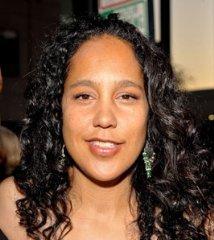
Gina Prince-Bythewood

Gina Prince-Bythewood is a renowned film director recognized for her work in the independent film sector. Born on June 10, 1969, she has made substantial contributions to cinema with her distinctive storytelling and visual style. Her films frequently delve into themes of identity, race, and social issues, striking a chord with both audiences and critics. more

You May Also Like

“I think that the Republicans who have been cautious, recognizing that they have to be concerned about their re-elections, etc., they won't be able to stand with Donald Trump when we unfold his connection to the Kremlin and what they were involved in, which I consider to be collusion. I don't think that any Republican, even moderates or conservatives, who love America and who consider themselves patriots, they cannot stand with this president when it appears he has participated in undermining this democracy. They're going to have to fall. That's what I believe.”

“I totally think that the likelihood upon this whole galaxy and universe, we are the only ones...I don't think we are. Just please don't get into details (laughing) that's when you lose me a little bit. It's probably fear, because of how media has painted alien life. Very few of them are friendly, outside of E.T. I think it's that fear of, "No, no, please don't come and take over our world or blow up our planet, and kill me."”

“Trans voices are really underrepresented, and trans stories are really underrepresented, and when they are presented, they're often reductive. I was interested in putting a trans person and a trans narrative on stage that didn't fall into cliché, that thought a bit more deeply about the experience of being trans, and how those issues tie into things that we all experience. How we tell the story of our lives, versus what might have actually happened, and how we communicate to our former selves. All of those questions were really interesting to me.”