“Much of the day I have busied myself making notes on the small parts in Shakespeare, often nameless, which are rewarding to the actor if only he'll not dismiss them as beneath his dignity. If I can work it up into a talk I might call it, 'Only a cough and a spit ' -the phrase so often used by actors to explain away a lack of opportunity.”
Quote by Alec Guinness
Work
My Name Escapes Me: The Diary of a Retiring Actor
This book offers a candid look into the thoughts and feelings of a renowned actor as he contemplates the end of his acting career. Through his diary entries, readers gain insight into the actor's personal struggles, triumphs, and the complexities of his life in the spotlight. more
Author
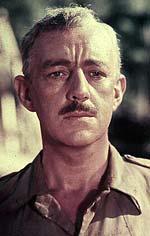
Alec Guinness
Alec Guinness was a celebrated British actor, renowned for his diverse and accomplished performances in film, television, and theatre. Born on April 2, 1914, and passing away on August 5, 2000, Guinness achieved international acclaim for his roles in classic films such as 'The Bridge on the River Kwai' and 'Doctor Zhivago'. His career spanned five decades, and he was honored with an Academy Award for Best Actor for his portrayal in 'The Bridge on the River Kwai'. more
You May Also Like
“Playing Shakespeare requires technique. You don't play a Bach toccata by getting in the mood.”
“Celebrity is the chastisement of merit and the punishment of talent.”
“Your eyes will always go to red, which is why there is a lady in red in all my shows.”
“The work of rehearsal is looking for meaning and then making it meaningful.”