“Knowledge must be gained by ourselves. Mankind may supply us with facts; but the results, even if they agree with previous ones, must be the work of our own minds.”
Quote by Benjamin Disraeli
Work
The Young Duke ... By B. Disraeli. A New Edition
In 'The Young Duke,' Benjamin Disraeli presents a vivid portrayal of the political and social landscape of 19th-century England. The novel follows the rise of a young nobleman who navigates the treacherous waters of politics and personal relationships, offering a nuanced exploration of power, corruption, and the human condition. more
Author
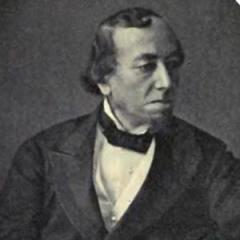
Benjamin Disraeli
Benjamin Disraeli was a prominent British politician who served as the Leader of the House of Commons. Born on December 21, 1804, in London, he passed away on April 19, 1881. Disraeli was known for his political acumen, oratory skills, and literary achievements. more
You May Also Like
“Man has an intense desire for assured knowledge.”
Source: Ideas and Opinions
Source: Philosophical problems of quantum physics
“Never any knowledge was delivered in the same order it was invented.”
Source: The Works of Francis Bacon, Baron of Verulam, Viscount St. Alban, and Lord High Chancellor of England: In Five Volumes
Source: Aims of Education
Source: The Great Instauration