“Gospel riches are sent to remove our wretchedness, and mercy to remove our misery.”
Quote by Charles Spurgeon
Work
The Complete Works of C. H. Spurgeon, Volume 29: Sermons 1698-1756
The Complete Works of C. H. Spurgeon, Volume 29: Sermons 1698-1756 is a compilation of sermons by Charles Haddon Spurgeon, a British Baptist minister known for his influential preaching. This particular volume focuses on sermons spanning from 1698 to 1756, offering insights into Spurgeon's theological and pastoral insights during that period. The sermons are drawn from his extensive preaching career, reflecting his deep engagement with biblical texts and his ability to convey spiritual truths to his audience. more
Author
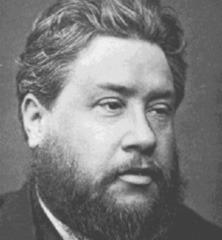
Charles Spurgeon
Charles Haddon Spurgeon, born on June 19, 1834, was a prominent Christian preacher from the United Kingdom. Known as the 'Preacher of London,' he was renowned for his passionate sermons and profound influence. Spurgeon's preaching drew thousands of listeners, and his writings had a widespread impact on the Christian world. more
You May Also Like
“Like the wind, Grace finds us wherever we are and won't leave us however we were found.”
Source: The Christian in Complete Armour: A Treatise of the Saints' War Against the Devil, Wherein a Discovery is Made of that Grand Enemy of God and His People, in His Policies, Power, Seat of His Empire, Wickedness, and Chief Design He Hath Against the Saints : a Magazine Opened, from Whence the Christian is Furnished with Spiritual Arms for the Battle, Helped on with His Armour, and Taught the Use of His Weapon, Together with the Happy Issue of the Whole War
“Governor Tinubu’s criminal case is of international dimension.”