“Sleep is a most useful and most salutary operation of nature. Scarcely any minor annoyance angers me more than the being suddenly awakened out of a pleasant slumber. I understand that in Italy they torture poor people by depriving them of sleep. `Tis a torture that cannot long be endured.”
Quote by Martin Luther
Work
The table talk or familiar discourse of Martin Luther, tr. by W. Hazlitt
This book presents a collection of Martin Luther's informal discussions and reflections, translated by William Hazlitt. It provides a glimpse into the mind of one of the most influential figures in the Protestant Reformation, showcasing his theological views and personal musings. more
Author
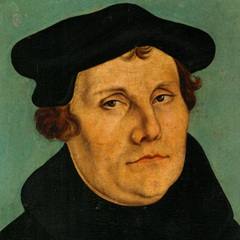
Martin Luther
Martin Luther, born on November 10, 1483 and died on February 18, 1546, was a significant figure in the German Reformation. He was a monk, theologian, philosopher, and writer, known for his leading role in the Reformation. Luther challenged the authority of the Roman Catholic Church and translated the Bible into German, which had a profound impact on German culture and religion. more
You May Also Like
“The more a person loves, the closer he approaches the image of God.”
Source: What Luther says: an anthology
Source: Complete Works
Source: Essays in Religion and Morality
“a man does not cry because he is sad, he is sad because he cries”
“In order to disprove the assertion that all crows are black, one white crow is sufficient.”