“Compassion is the fellow-feeling of the unsound.”
Quote by George Bernard Shaw
Work
George Bernard Shaw: Collected Articles, Lectures, Essays and Letters: Thoughts and Studies from the Renowned Dramaturge and Author of Mrs. Warren’s Profession, Pygmalion, Arms and The Man, Saint Joan, Caesar and Cleopatra, Androcles And The Lion
George Bernard Shaw: Collected Articles, Lectures, Essays and Letters is a compilation that highlights the extensive and varied literary output of the renowned playwright and author. It includes a selection of Shaw's articles, lectures, and essays, showcasing his deep engagement with a wide range of subjects. The collection also features his personal correspondence, providing a glimpse into Shaw's thought process and social interactions. This volume is a testament to Shaw's intellectual rigor and his contributions to drama, literature, and social thought. more
Author
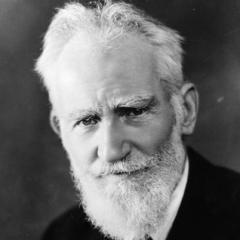
George Bernard Shaw
George Bernard Shaw (July 26, 1856 - November 2, 1950) was an Irish-British playwright, critic, and socialist. He is renowned for his satirical and witty dramatic works. more
You May Also Like
Source: George Bernard Shaw: The Collected Plays (Illustrated): 60 plays including Caesar and Cleopatra, Pygmalion, Saint Joan, The Apple Cart, Cymbeline, Androcles And The Lion, The Man Of Destiny, The Inca Of Perusalem and Macbeth Skit
Source: The Collected Works of George Bernard Shaw: Plays, Novels, Articles, Lectures, Letters and Essays: Pygmalion, Mrs. Warren’s Profession, Candida, Arms and The Man, Man and Superman, Caesar and Cleopatra, Androcles And The Lion, The New York Times Articles on War, Memories of Oscar Wilde and more
“The buried truth germinates and breaks through to the light.”
Source: The Doctor's Dilemma
Source: The Collected Plays of George Bernard Shaw (Illustrated): Including Renowned Titles like Pygmalion, Mrs. Warren’s Profession, Candida, Arms and The Man, Man and Superman, The Inca Of Perusalem, Macbeth Skit, Caesar and Cleopatra, Androcles And The Lion
Source: The Collected Works of George Bernard Shaw: Plays, Novels, Articles, Lectures, Letters and Essays: Pygmalion, Mrs. Warren’s Profession, Candida, Arms and The Man, Man and Superman, Caesar and Cleopatra, Androcles And The Lion, The New York Times Articles on War, Memories of Oscar Wilde and more