“For attractive lips, speak words of kindness. For lovely eyes, seek out the good in people. For a slim figure, share your food with the hungry. For beautiful hair, let a child run his fingers through it once a day. For poise, walk with the knowledge you’ll never walk alone. ... We leave you a tradition with a future. The tender loving care of human beings will never become obsolete. People even more than things have to be restored, renewed, revived, reclaimed and redeemed and redeemed and redeemed. Never throw out anybody. Remember, if you ever need a helping hand, you’ll find one at the end of your arm. As you grow older, you will discover that you have two hands: one for helping yourself, the other for helping others. Your “good old days” are still ahead of you, may you have many of them.”
Quote by Sam Levenson
Work
In One Era & Out the Other
Browse quotes and source details for this work. more
Author
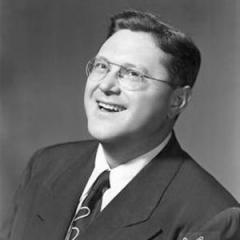
Sam Levenson
Sam Levenson, an American humorist, was born on December 28, 1911, and passed away on August 27, 1980. Known for his unique sense of humor and insightful observations, his works have been beloved by readers. more
You May Also Like
“What’s the matter with you, Madox? You got a grudge against the world?”
Source: The Hot Spot
“We are simultaneously of this world and of another… a quantum entanglement with a higher dimension”
Source: The Image: A Quantum Portal Has Opened
“You do not need a cause. You are the ripple.”
Source: The Swerve of the Infinite: A Recursive Archive of Consciousness, of Deviation, and of Becoming
Source: Our Bodies, Their Battlefields: War Through the Lives of Women
Source: Neurosonnets: The Naskar Art of Neuroscience
Source: A Passage North