“The true historian, therefore, seeking to compose a true picture of the thing acted, must collect facts and combine facts. Methods will differ, styles will differ. Nobody ever does anything like anybody else; but the end in view is generally the same, and the historian's end is truthful narration. Maxims he will have, if he is wise, never a one; and as for a moral, if he tell his story well, it will need none; if he tell it ill, it will deserve none.”
Quote by Augustine Birrell
Work
The collected essays & addresses of the Rt. Hon. Augustine Birrell, 1880-1920
The book is a compilation of the Rt. Hon. Augustine Birrell's writings, which delve into political, social, and philosophical matters. It offers insights into the thoughts and perspectives of Birrell, a prominent figure in British politics and intellectual circles during the late 19th and early 20th centuries. The essays and addresses cover a range of topics, reflecting Birrell's engagement with contemporary issues and his contributions to public discourse. more
Author
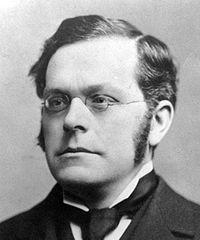
Augustine Birrell
Augustine Birrell was an Irish politician who served as the Chief Secretary to the Lord Lieutenant of Ireland. Born on January 19, 1850, he passed away on November 20, 1933. Birrell played a significant role in Irish politics, particularly during the movement for Irish home rule. more
You May Also Like
Source: Obiter Dicta ...: Carlye. On the alleged obscurity of Mr. Browning's poetry. Truth-hunting. Actors. A rogue's memoirs. The via media. Falstaff [by George Radford
Source: Collected essays
“Think for one minute of those who have loved you up into this day.”
Source: An Abundance of Katherines