“First Theory . There is no Providence at all for anything in the Universe; all parts of the Universe, the heavens and what they contain, owe their origin to accident and chance; there exists no being that rules and governs them or provides for them. This is the theory of Epicurus.”
Quote by Maimonides
Work
The Guide for the Perplexed
The Guide for the Perplexed is a comprehensive work that delves into the complexities of Jewish law and philosophy. Written by the medieval philosopher Moses Maimonides, it is a synthesis of Jewish thought and an attempt to reconcile religious beliefs with reason. The book is divided into three parts, each addressing different aspects of Jewish law and philosophy, and is known for its depth and intellectual rigor. more
Author
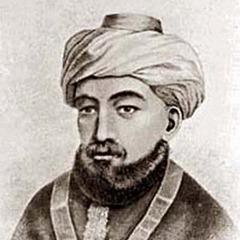
Maimonides
Maimonides, born on March 30, 1135 and died on December 12, 1204, was a Jewish philosopher, physician, and legal scholar. He is renowned for his contributions to philosophy, medicine, and Jewish law. more
You May Also Like
Source: Guide for the perplexed
Source: Guide for the perplexed
Source: The Guide for the Perplexed
Source: The Guide for the Perplexed
Source: The Wisdom of Moses Maimonides
Source: The Guide for the Perplexed
Source: Guide for the perplexed
Source: A Maimonides Reader