“Another powerful principle of our nature, which is the spring of war, is the passion for superiority, for triumph, for power. The human mind is aspiring, impatient of inferiority, and eager for preeminence and control.”
Quote by William Ellery Channing
Work
The works of Wm. Ellery Channing ...
This book is a compilation of the works of Wm. Ellery Channing, a prominent figure in American philosophy and Unitarianism. It includes a range of essays and treatises that delve into philosophical, theological, and social issues of his time. more
Author
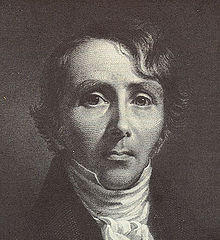
William Ellery Channing
William Ellery Channing was an American preacher and theologian, born on April 7, 1780, and died on October 2, 1842. He played a significant role in the American religious reform movement and is known for his contributions to liberal theology. more
You May Also Like
Source: A selection from the works of William E. Channing
Source: A Sermon on War: delivered before the Convention of Congregational Ministers of Massachusetts, May 30, 1816, etc
Source: The Works of William E. Channing
Source: Self-Culture. An address introductory to the Franklin lectures, delivered at Boston. 1838
Source: The Perfect Life: In Twelve Discourses
Source: Self-culture: An address introductory to the Franklin lectures, delivered at Boston, September, 1838
Source: Self-Culture. An address introductory to the Franklin lectures, delivered at Boston. 1838
Source: Self-Culture. An address introductory to the Franklin lectures, delivered at Boston. 1838
Source: The Works of William E. Channing
“They are much to be pitied who have not been given a taste for nature early in life.”
Source: Jane Austen Collection: illustrated - 6 eBooks and 140+ illustrations