“My confidence is that there will for a long time be virtue and good sense enough in our countrymen to correct abuses.”
Quote by Thomas Jefferson
Work
Memoir, correspondence, and miscellanies from the papers of T. Jefferson
Memoir, correspondence, and miscellanies from the papers of T. Jefferson is a collection of documents that provide a comprehensive view of the personal and professional life of Thomas Jefferson. The volume includes his correspondence, personal reflections, and various other writings, shedding light on his political beliefs, scientific pursuits, and personal experiences. more
Author
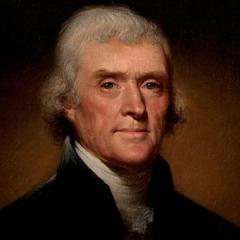
Thomas Jefferson
Thomas Jefferson was the third President of the United States, a distinguished politician, philosopher, architect, and scientist. He was born on April 13, 1743, and died on July 4, 1826. Jefferson advocated for democracy and freedom in politics and was one of the main authors of the Declaration of Independence. His political ideas had a profound impact on the founding and development of the United States. more
You May Also Like
Source: The Works of Alexander Hamilton: Comprising His Most Important Official Reports: An Improved Edition of the Federalist, on the New Constitution, Written in 1788; and Pacificus, on the Proclamation of Neutrality, Written in 1793 ...
Source: The Federalist, on the New Constitution, Written in 1788
Source: The Federalist Papers: A Collection of Essays Written in Favour of the New Constitution
Source: The Federalist Papers: A Collection of Essays Written in Favour of the New Constitution
Source: The Federalist, on the New Constitution, Written in the Year 1788
Source: The Essential Federalist: A New Reading of the Federalist Papers
“The genius of the people will ill brook the inquisitive and peremptory spirit of excise laws.”
Source: The Federalist: With Letters of Brutus