“In the contemplation of beauty we are raised above ourselves, the passions are silenced and we are happy in the recognition of a good that we do not seek to possess.”
Book:The Sense of Beauty
“In the contemplation of beauty we are raised above ourselves, the passions are silenced and we are happy in the recognition of a good that we do not seek to possess.”
This work delves into the nature of beauty, examining its various interpretations and the philosophical underpinnings of aesthetic judgment. more
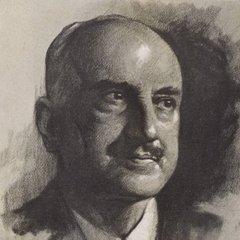
George Santayana was an American philosopher, essayist, and critic renowned for his unique philosophical thoughts and profound insights into culture, art, and science. His philosophy emphasizes individualism, naturalism, and pragmatism, and his works have had a profound impact on 20th-century philosophy and culture. more
“It is not society's fault that most men seem to miss their vocation. Most men have no vocation.”
“The pint would call the quart a dualist, if you tried to pour the quart into him.”
“Stafford Cripps has a brilliant mind, until he makes it up.”