Quotessence
Home / Quotes / Quote by Matthew Zapruder

Quote by Matthew Zapruder

“I was thinking a little bit about this very thing - poetry and music - the other day when I was listening to Lucinda Williams. The way she sings is very emotive, and there is a kind of drag to her articulation: she sings behind the beat, sort of like she's being pulled along by the song a little, or is in resistance to it.”

Quote by Matthew Zapruder

Author
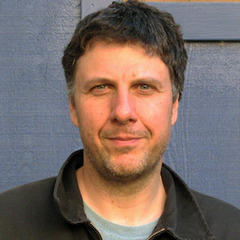
Matthew Zapruder
Matthew Zapruder

Matthew Zapruder is an American poet born in 1967. His work is known for its concise and direct language style, exploring themes of personal emotion, cultural identity, and the complexities of modern life. Zapruder's poetry has gained widespread recognition in the literary world, with his works winning multiple awards. more

You May Also Like

“Not that I play guitar anywhere near as well as she sings, but I think I have always had a tendency to play solos the same way, in emotional relation to the structure of the song. I choose simple lines, and only play what seems emotionally relevant, and often express that emotion in time, that is in play or resistance to the set time of the song.”

“I've always been more than a little mystified by poets who seem to think talking to people as directly as possible is a bad thing. I mean, I don't want to set up a straw man here: I understand that for many poets - and for me, at times - writing truly means writing in a way that is difficult, simply because the poem is trying to grasp for something elusive. So the difficulty of the poem is just unavoidable, and not in any way artificially imposed. So "as possible" is the key part of the phrase above, I suppose.”

“Reading a poem is a real thing, a worthy thing. So to be there right with the reader at that moment is part of the effect of a title like "Poem for" something or other. Matt Rohrer does this a lot in his titles, and I think I might have gotten some of the idea to do this, or at least been reminded of how it can work, from his recent amazing books.”

“Keats's odes are among my favorite poems ever. As are Neruda's. So yes, I think my poems are odes, though I really just see those titles as ways of more or less orienting the poem. I've never thought about this until now, but I guess you could say that one effect of all the titles, their pervasiveness in the book, might be to once again, as so many other things do, put into question the meaning of the word "for," which I suppose is one of the great human questions: what is all this for? Why, and for whom, are we doing whatever we are doing?”