Quotessence
Home / Quotes / Quote by Peter Singer

Quote by Peter Singer

“When the death of a disabled infant will lead to the birth of another infant with better prospects of a happy life, the total amount of happiness will be greater if the disabled infant is killed. The loss of happy life for the first infant is outweighed by the gain of happier life for the second. Therefore, if killing the hemophiliac infant has no adverse effect on others, it would, according to the total view, be right to kill him.”

Quote by Peter Singer

Work

Practical Ethics

This book analyzes ethical theory in the context of concrete moral choices and everyday situations. The work addresses questions about how individuals and societies should make ethical decisions when confronted with dilemmas involving harm, welfare, and moral responsibility. Through case-based examination, the author explores the application of ethical frameworks to practical affairs, considering both personal conduct and broader social issues requiring moral judgment. more

Author

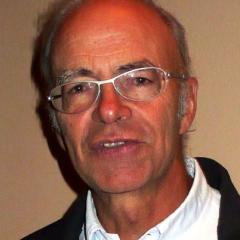
Peter Singer
Peter Singer

Peter Singer (born July 6, 1946) is an Australian moral philosopher renowned for his work in applied ethics, particularly animal liberation, effective altruism, and global poverty. He is a professor of bioethics at Princeton University and author of 'Animal Liberation,' a foundational text of the animal rights movement. Singer argues for extending moral consideration to all sentient beings based on utilitarian principles. His controversial views have sparked global debates but profoundly influenced contemporary ethics, charity practices, and animal welfare policies. more

You May Also Like

“Justice is the first virtue of social institutions, as truth is of systems of thought. A theory however elegant and economical must be rejected or revised if it is untrue; likewise laws and institutions no matter how efficient and well-arranged must be reformed or abolished if they are unjust.”

“The perspective of eternity is not a perspective from a certain place beyond the world, nor the point of view of a transcendent being; rather it is a certain form of thought and feeling that rational persons can adopt within the world ... Purity of heart, if one could attain it, would be to see clearly and to act with grace and self-command from this point of view.”