“The saying that beauty is but skin deep, is but a skin-deep saying.”
Quote by Herbert Spencer
Work
Essays--scientific, political and speculative
This book is a compilation of essays that delve into various scientific, political, and speculative subjects, offering insights and perspectives on these diverse topics. more
Author
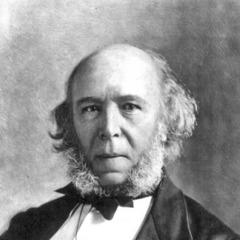
Herbert Spencer
Herbert Spencer was an English philosopher, sociologist, and writer, best known for his theory of social Darwinism. His ideas had a profound impact on social and political theories of the late 19th century. more
You May Also Like
Source: Social Statics; Or, The Conditions Essential to Human Happiness Specified, & the First of Them Developed
Source: The Man versus the State: Great Essays
“Morality knows nothing of geographical boundaries, or distinctions of race.”
Source: Social Statics: Great Essays
Source: Essays: Scientific, Political and Speculative
Source: Synthetic Philosophy ...: First principles. 1920. [v.2-3] The principles of biology. v.1, rev. & enl. ed., 1921
Source: The Principles of Biology
Source: Essays--scientific, political and speculative
Source: Essays: Scientific, Political and Speculative
Source: Essays: Moral, Political and Aesthetic