Quotessence
Home / Quotes / Quote by Kwame Alexander

Quote by Kwame Alexander

Work

The Crossover

Browse quotes and source details for this work. more
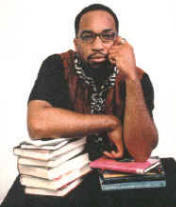
Author

Kwame Alexander
Kwame Alexander

Kwame Alexander is an American author known for his poetry and young adult literature. His works often explore themes of race, identity, and growth, and have been well-received by readers. more

You May Also Like

“The recipe for becoming a good novelist, for example is easy to give but to carry it out presupposes qualities one is accustomed to overlook when one says 'I do not have enough talent'. One has only to make a hundred or so sketches for novels, none longer than two pages but of such distinctness that every word in them is necessary; one should write down anecdotes each day until one has learned how to give them the most pregnant and effective form; one should be tireless in collecting and describing human types and characters; one should above all relate things to others and listen to others relate, keeping one's eyes and ears open for the effect produced on those present, one should travel like a landscape painter or costume designer; one should excerpt for oneself out of the individual sciences everything that will produce an artistic effect when it is well described, one should, finally, reflect on the motives of human actions, disdain no signpost to instruction about them and be a collector of these things by day and night. One should continue in this many-sided exercise some ten years: what is then created in the work­shop, however, will be fit to go out into the world. - What, however, do most people do? They begin, not with the parts, but with the whole. Per­haps they chance to strike a right note, excite attention and from then on strike worse and worse notes, for good, natural reasons.”

“នៅពេលដែលអ្នកស្លាប់ទៅ មិនមែនគេឲ្យតម្លៃអ្នកថាជាមនុស្សមានតម្លៃ ព្រោះអ្នកមានលុយច្រើន ឬមានសញ្ញាប័ត្រធំនោះទេ តែព្រោះតែជាសមិទ្ធិផល្អសម្រាប់មនុស្សជាជាតិ។”

“Meanwhile, the extraordinary measures we take to stay abreast of each minuscule change to the data stream end up magnifying the relative importance of these blips to the real scheme of things. Investors trade, politicians respond, and friends judge based on the micromovements of virtual needles. By dividing our attention between our digital extensions, we sacrifice our connection to the truer present in which we are living. The tension between the faux present of digital bombardment and the true now of a coherently living human generated the second kind of present shock, what we're calling digiphrenia—digi for "digital," and phrenia for "disordered condition of mental activity.”

“What happens when those of us living at the pace of fashion try to insert an awareness of these much larger cycles into our everyday activity? In other words, what's it like to envision the ten-thousand-year impact of tossing that plastic bottle into the trash bin, all in the single second it takes to actually toss it? Or the ten-thousand-year history of the fossil fuel being burned to drive to work or iron a shirt? It may be environmentally progressive, but it's not altogether pleasant. Unless we're living in utter harmony with nature, thinking in ten-thousand-year spans is an invitation to a nightmarish obsession. It's a potentially burdensome, even paralyzing, state of mind. Each present action becomes a black hole of possibilities and unintended consequences. We must walk through life as if we had traveled in to the past, aware that any change we make—even moving an ashtray two inches to the left—could ripple through time and alter the course of history. It's less of a Long Now than a Short Forever. This weight on every action—this highly leveraged sense of the moment—hints at another form of present shock that is operating in more ways and places than we may suspect. We'll call this temporal compression overwinding—the effort to squish really big timescales into much smaller or nonexistent ones. It's the effort to make the "now" responsible for the sorts of effects that actually take real time to occur—just like overwinding a watch in the hope that it will gather up more potential energy and run longer than it can.”

“A civilization makes progress by leveraging the achievements and observations of past generations. We compress history into words, stories, and symbols that allow living people to learn and benefit from the experiences of the dead. In the space of one childhood, we can learn what it took humanity many centuries to figure out. While animals may have some capacity to instruct their young, humans are unlimited in their capacity to learn from one another. Thanks to stories, books, and our symbol systems, we can learn from people we have never met. We create symbols, or what Korzybski calls abstractions, in order to represent things to one another and our descendants more efficiently. They can be icons, brands, religious symbols, familiar tropes, or anything that compresses information bigger than itself.”