“Never to blend our pleasure or our pride With sorrow of the meanest thing that feels.”
Quote by William Wordsworth
Work
The Poems of William Wordsworth
This compilation includes a variety of works by William Wordsworth, one of the most influential English poets of the Romantic era. The poems delve into themes of nature's beauty, the joys and sorrows of solitude, and the complexities of human relationships. Wordsworth's distinctive style, characterized by vivid imagery and a deep connection to the natural world, is prominently featured throughout. more
Author
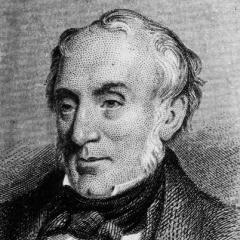
William Wordsworth
William Wordsworth was an English Romantic poet, born on April 7, 1770, in Cockermouth, and died on April 23, 1850. His poetry is renowned for its depiction of natural landscapes and profound expression of personal emotions and inner world. more
You May Also Like
“Sorrow breaks seasons and reposing hours, Makes the night morning, and the noontide night.”
Source: The works of William Shakespeare
Source: The plays and poems of William Shakspeare
Source: Complete writings: with variant readings
Source: Miscellaneous works
“There is no wisdom in useless and hopeless sorrow.”
Source: A Diary of a Journey Into North Wales, in the Year 1774
“In durance vile 1here must I wake and weep, And all my frowsy couch in sorrow steep.”
Source: The Poetical Works of Robert Burns. To which are Now Added, Notes Illustrating Historical, Personal, and Local Allusions. [The Editor's Preface Signed: R. C., I.e. Robert Chambers.]