“Some say that happiness is not good for mortals, & they ought to be answered that sorrow is not fit for immortals & is utterly useless to any one; a blight never does good to a tree, & if a blight kill not a tree but it still bear fruit, let none say that the fruit was in consequence of the blight.”
Quote by William Blake
Work
Complete writings: with variant readings
The book is a comprehensive compilation of an author's writings, showcasing the diversity of interpretations and textual variations found across different editions and publications. It provides a detailed look into the author's literary development and the reception of their work throughout history. more
Author
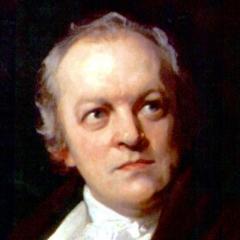
William Blake
William Blake (November 28, 1757 - August 12, 1827) was an English Romantic poet, painter, and printmaker. Known for his unique visual art and profound philosophical thoughts, he is considered one of the most innovative poets in the history of English literature. more
You May Also Like
Source: Miscellaneous works
“There is no wisdom in useless and hopeless sorrow.”
Source: A Diary of a Journey Into North Wales, in the Year 1774
“In durance vile 1here must I wake and weep, And all my frowsy couch in sorrow steep.”
Source: The Poetical Works of Robert Burns. To which are Now Added, Notes Illustrating Historical, Personal, and Local Allusions. [The Editor's Preface Signed: R. C., I.e. Robert Chambers.]
Source: The Child Who Never Grew: A Memoir