“As the men of the age were not accustomed to see any excellence or greater perfection than the things thus produced, they greatly admired them, and considered them to be the type of perfection, barbarous as they were. Yet some rising spirits, aided by some quality in the air of certain places, so far purged themselves of this crude style”
Quote by Giorgio Vasari
Work
[(The Lives of the Artists )] [Author: Giorgio Vasari] [Dec-2008]
Browse quotes and source details for this work. more
Author
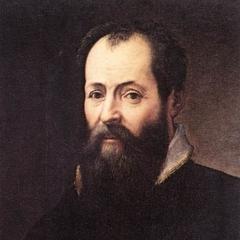
Giorgio Vasari
Giorgio Vasari was an Italian painter, architect, and writer who is renowned for his significant contributions to the history of art. He authored the Lives of the Most Excellent Painters, Sculptors, and Architects, a seminal work in the field of art history. Born on July 30, 1511, in Arezzo, Tuscany, Vasari's influence extended beyond his artistic endeavors to include architectural achievements, such as the Vasari Corridor in Florence. He passed away on June 27, 1574. more
You May Also Like
Source: Love What Lasts: How to Save Your Soul from Mediocrity
Source: Love What Lasts: How to Save Your Soul from Mediocrity
“I think it’s beautiful the way you sparkle when you talk about the things you love.”
Source: Love Her Wild
Source: Love What Lasts: How to Save Your Soul from Mediocrity
Source: Love What Lasts: How to Save Your Soul from Mediocrity
Source: Love What Lasts: How to Save Your Soul from Mediocrity
Source: Love What Lasts: How to Save Your Soul from Mediocrity
Source: Love What Lasts: How to Save Your Soul from Mediocrity