“Going without food or water will kill the body, but the lack of relationship will kill the mind and spirit.”
Quote by David Jeremiah
Work
What Are You Afraid Of?: Facing Down Your Fears with Faith
This book delves into the psychological and spiritual aspects of fear, providing readers with tools and perspectives to confront and overcome their fears through faith-based principles. more
Author
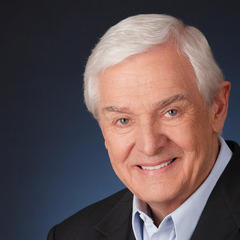
David Jeremiah
David Jeremiah is a renowned Christian author, pastor, and speaker in the United States. Born on February 13, 1941, he has a strong background in Christian education and has served as a pastor. His works cover a wide range of topics including biblical studies, spiritual growth, and moral ethics, which have been well-received by a broad audience. more
You May Also Like
“Being fit and being in the best shape that I can be helps me be the best mom as well.”
“Delighting in God's Word leads us to delight in God, and delight in God drives away fear.”
Source: What Are You Afraid Of?: Facing Down Your Fears with Faith
Source: Etty: The Letters and Diaries of Etty Hillesum, 1941-1943