“All wars of interference, arising from an officious intrusion into the concerns of other states; all wars of ambition, carried on for the purposes of aggrandizement; and all wars of aggression, undertaken for the purpose of forcing an assent to this or that set of religious opinions; all such wars are criminal in their very outset, and have hypocrisy for their common base.”
Quote by Charles Caleb Colton
Work
Lacon: Or Many Things in Few Words Addressed to Those who Think
This work delves into the principles of concise communication and the value of succinctness in conveying ideas effectively. more
Author
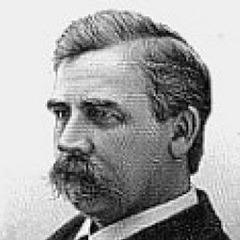
Charles Caleb Colton
Charles Caleb Colton was an English writer active from 1780 to 1832. Known for his humor and wit, he is particularly recognized for his aphorisms and satirical works. more
You May Also Like
“Our wealth is often a snare to ourselves, and always a temptation to others.”
Source: Lacon, Or, Many Things in a Few Words: Addressed to Those who Think
“Be very slow to believe that you are wiser than all others; it is a fatal but common error.”
Source: Lacon: Or Many Things in Few Words, Addressed to Those who Think
“The next thing to having wisdom ourselves, is to profit by that of others.”
Source: Lacon: Or Many Things in Few Words, Addressed to Those who Think
Source: Remarks on the Talents of Lord Byron and the Tendencies of Don Juan
Source: Remarks on the Talents of Lord Byron and the Tendencies of Don Juan
Source: Lacon, Or, Many Things in a Few Words: Addressed to Those who Think
Source: Lacon, Or, Many Things in a Few Words: Addressed to Those who Think
Source: Lacon: Or Many Things in Few Words, Addressed to Those who Think