“How can I expect readers to know who I am if I do not tell them about my family, my friends, the relationships in my life? Who am I if not where I fit in the world, where I fit in the lives of the people dear to me?”
Quote by Rabih Alameddine
Work
I, The Divine: A Novel in First Chapters
In 'I, The Divine: A Novel in First Chapters,' the reader is introduced to a narrative that intertwines the profound with the personal. The opening sections of the novel present a unique perspective on the nature of divinity and its impact on human life. The story is crafted to provoke thought and engage the reader's imagination, with a focus on the intricate interplay between the divine and the human condition. more
Author
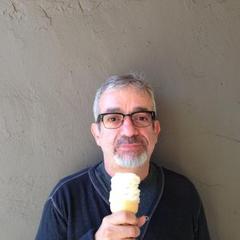
Rabih Alameddine
Rabih Alameddine is a Lebanese-American writer known for his poetic prose and exploration of Arab-American identity, LGBTQ+ themes, and Middle Eastern culture. Born in Beirut in 1959, he moved to the United States in 1990. His notable works include The Angel of History, An Unnecessary Woman, The Hakawati, and Koolaids. Alameddine's writing, characterized by lyrical language and innovative narrative techniques, has been nominated for numerous literary awards, making him one of the most significant contemporary Arab-American authors. more
You May Also Like
Source: Winter garden
Source: Absolute Surrender
Source: The Kristin Hannah Collection: Volume 2: Winter Garden, Night Road, Home Front
Source: The Story of a Marriage: A Novel
Source: The Story of a Marriage
“Does love always form, like a pearl, around the hardened bits of life?”
“After my first No. 1 song back in 2006, I worried I may never have another one.”
“Americans are rising to the tasks of history, and they expect the same of us.”