“Either God wants to abolish evil, and cannot; or he can and does not want to. If he wants to, but cannot, he is impotent. If he can, but does not want to, he is wicked. If, as they say, God can abolish evil, and God really wants to do it, why is there evil in the world?”
Quote by Epicurus
Author
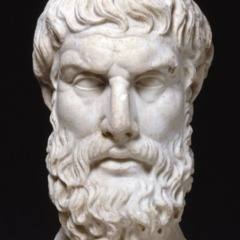
Epicurus
Epicurus was an ancient Greek philosopher who founded the school of Epicureanism. He lived from 341 BC to 270 BC. Epicurus is known for his theory of happiness and his belief in the pursuit of pleasure and the avoidance of pain as the central goals of life. He argued that the best way to achieve happiness was through the cultivation of virtue and the pursuit of knowledge. more
You May Also Like
“If the gods do evil then they are not gods.”
Source: The Trojan women
Source: Godless: How an Evangelical Preacher Became One of America's Leading Atheists
Source: Losing Faith in Faith: From Preacher to Atheist
Source: Godless: How an Evangelical Preacher Became One of America's Leading Atheists
Source: Why People Believe Weird Things: Pseudoscience, Superstition, and Other Confusions of Our Time