“The man who now confronted Gashford, was a squat, thickset personage, with a low, retreating forehead, a coarse shock head of hair, and eyes so small and near together, that his broken nose alone seemed to prevent their meeting and fusing into one of the usual size.”
Quote by Charles Dickens
Work
A Cyclopedia of the Best Thoughts of Charles Dickens
This book compiles a selection of notable quotes and thoughts from the extensive literary works of Charles Dickens, showcasing his insights and perspectives on various themes and issues. more
Author
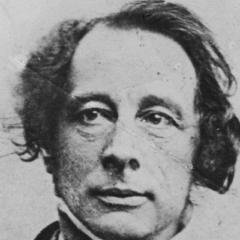
Charles Dickens
Charles Dickens, a British writer born on February 7, 1812, and died on June 9, 1870, is one of the greatest novelists of the 19th century. Known for his profound social criticism and vivid narrative style, Dickens' works extensively cover social reality, revealing various issues in the British society of the time. more
You May Also Like
Source: Barnaby Rudge, And, Hard Times: With Ten Illustrations
Source: LITTLE DORRIT
“She had gained a reputation for beauty, and (which is often another thing) was beautiful.”
Source: Delphi Complete Works of Charles Dickens (Illustrated)
Source: LITTLE DORRIT
Source: Charles Dickens's works. Charles Dickens ed. [18 vols. of a 21 vol. set. Wanting A child's history of England; Christmas stories; The mystery of Edwin Drood].
Source: Dickens Ultimate Christmas Collection: The Greatest Stories & Novels for Christmas Time: A Christmas Carol, Doctor Marigold, Oliver Twist, Tom Tiddler's Ground, The Holly-Tree and more (Illustrated): The Best Loved Christmas Classics in One Volume
Source: LITTLE DORRIT
“She writhes under her life. A woman more angry, passionate, reckless, and revengeful never lived.”
Source: LITTLE DORRIT
Source: LITTLE DORRIT