Quotessence
Home / Quotes / Quote by William Shakespeare

Quote by William Shakespeare

“Why then, O brawling love! O loving hate! O any thing, of nothing first create! O heavy lightness, serious vanity, Misshapen chaos of well-seeming forms, Feather of lead, bright smoke, cold fire, sick health, Still-waking sleep, that is not what it is! This love feel I, that feel no love in this.”

Quote by William Shakespeare

Work

Romeo and Juliet

This timeless tale explores themes of love, fate, and the destructive power of societal conflict. The story follows the passionate romance between Romeo Montague and Juliet Capulet, despite their families' bitter enmity. The narrative unfolds through a series of misunderstandings, feuds, and tragic events that ultimately lead to the demise of both lovers. more

Author

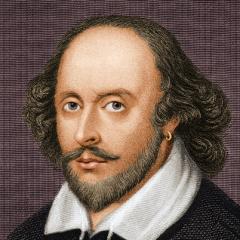
William Shakespeare
William Shakespeare

William Shakespeare (1564 - April 23, 1616) was one of the greatest poets of the English Renaissance, renowned for his dramatic works. His plays spanned a variety of genres, including tragedy, comedy, and history, and have had a profound impact on literature worldwide. more

You May Also Like

“Love is a smoke raised with the fume of sighs; Being purged, a fire sparkling in lovers' eyes; Being vexed, a sea nourished with loving tears. What is it else? A madness most discreet, A choking gall, and a preserving sweet. *Here’s what love is: a smoke made out of lovers' sighs. When the smoke clears, love is a fire burning in your lover’s eyes. If you frustrate love, you get an ocean made out of lovers' tears. What else is love? It’s a wise form of madness. It’s a sweet lozenge that you choke on.*”

“There were many words that you could not stand to hear and finally only the names of places had dignity. Certain numbers were the same way and certain dates and these with the names of the places were all you could say and have them mean anything. Abstract words such as glory, honor, courage, or hallow were obscene beside the concrete names of villages, the numbers of roads, the names of rivers, the numbers of regiments and the dates.”