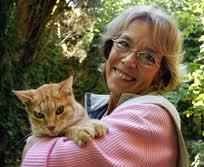
“It's true that women appear very little in [Albert Camus] works. They have a very marginal place.” Quote by Catherine Camus
“Femininity, yes, effectively there is more in The First Man, not only in terms of women but stylistically, in its elements, the notes he wrote. You can see a real love story in it, a childhood love story, [Albert] Camus' first. Meursault [protagonist of The Outsider] and Marie were never up to much really. There is Dora in The Just and others in his plays, but they aren't so well known.” MenFirstsWellsRealPlayStoriesTermKnownChildhoodElementsNotesLove StoryReal LoveOutsidersWell KnownFemininityProtagonistsMarie Author:Catherine Camus
“I think for [Albert] Camus his mother was more than just that. She's love, absolute love. That's why it's written for her, dedicated to 'you who will never be able to read this book'.” ThinkingBookAbleMotherWrittenAbsolutesDedicatedAbsolute Love Author:Catherine Camus
“Love is very important in The First Man, in that [Albert] Camus loves these things he never chose, he loves his childhood experience in a very real way. Their poverty meant that there was nothing else they could think about but what they would eat, how they would clothe themselves. There's just no room for other things in his family. It's difficult for others to imagine the position in which he found himself. There is no imaginary existence in their lives.” ThinkingMenWayFirstsImportantRealFoundDifficultLove IsRoomsExistencePovertyImagineChildhoodPositionImaginary Author:Catherine Camus
“French intellectuals are mostly petit bourgeois, and it's hard to say whether that makes [Albert] Camus' work more valuable.” HardValuableBourgeois Author:Catherine Camus
“[Albert Camus] positions are sensed. So, naturally, those intellectuals who don't have that experience have difficulty in comprehending it. But I think it made Camus more tolerant because he had already seen both sides of things when the others had only ever seen one. They imagine poverty, but they don't know what it is. In fact they've got a sort of bad conscience about the working classes.” ThinkingKnowsMadeFactsSidesClassPovertyImaginePositionConscienceDifficultyWorking ClassBoth SidesComprehending Author:Catherine Camus
“[French intellectuals] could never address themselves to the working classes. They don't know what it means, and that gives them a bad conscience about it. [Albert] Camus has a greater proximity to those in poverty.” KnowsGivingMeanClassPovertyGreaterConscienceAddressesWorking ClassProximity Author:Catherine Camus
“The First Man is completely autobiographical. The mother [Albert Camus] describes is the woman I knew, and she was exactly as he describes her. And this teacher really existed.” MenFirstsMotherTeacher Author:Catherine Camus
“[Albert] Camus writes his acceptance speech for the Nobel Prize in thanks to his teacher.” WritingTeacherAcceptanceSpeechThanksPrizeNobelNobel PrizeAcceptance Speech Author:Catherine Camus
“Recognition, gratefulness exist.[ Speech for the Nobel Prize] is to show that this is what has come from what [Albert Camus] teacher did for him. And also throughout the world there are Monsieur Germains [his old schoolteacher] everywhere. That's why I published the letters, so that he could have a place in the work.” WorldShowsTeacherSpeechLettersRecognitionPrizeNobelOld SchoolNobel PrizeGratefulness Author:Catherine Camus
“I couldn't ever act or think on behalf of what my father [[Albert Camus]] would have said or done. He's an artist, he considers himself an artist, and so he takes on the responsibility of speaking for those who are not given the means or the opportunity.” ThinkingMeanSaidDoneArtistFatherOpportunityGivenResponsibilityBehalf Author:Catherine Camus