“It is a widespread and firm belief among guests that their departure is always a matter of distress to their hosts, and that in order to indicate that they have been pleasantly entertained, they must demonstrate an extreme unwillingness to allow the entertainment to conclude. This is not necessarily true.”
Quote by Judith Martin
Work
Miss Manners' Guide for the Turn-of-the-Millennium
This book offers practical advice on navigating the social complexities of the new millennium, including proper conduct in various social situations, communication skills, and the evolution of etiquette in a rapidly changing world. more
Author
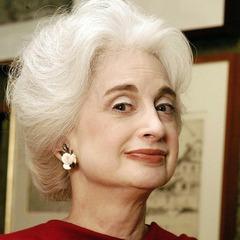
Judith Martin
Judith Martin, known by her pen name Miss Manners, is an American journalist and columnist renowned for her insights into etiquette and social norms. Born on September 13, 1938, she has been writing a etiquette column for The New York Times since 1962, remaining a prominent figure in the public eye to this day. more
You May Also Like
Source: Miss Manners Rescues Civilization: From Sexual Harassment, Frivolous Lawsuits, Dissing, and Other Lapses in Civility
“Why bring children into a world where no one writes letters?”
Source: Miss Manners' Guide to Excruciatingly Correct Behavior (Freshly Updated)
Source: Miss Manners' Guide for the Turn-of-the-Millennium
Source: Common courtesy: in which Miss Manners solves the problem that baffled Mr. Jefferson
Source: Common courtesy: in which Miss Manners solves the problem that baffled Mr. Jefferson
Source: Miss Manners' Guide to Excruciatingly Correct Behavior (Freshly Updated)
Source: Style and substance: a comedy of manners
Source: Miss Manners Rescues Civilization: From Sexual Harassment, Frivolous Lawsuits, Dissing, and Other Lapses in Civility