“The more necessary a thing is for living beings, the more easily it is found and the cheaper it is; the less necessary it is, the rarer and dearer it is.”
Quote by Maimonides
Work
The Guide for the Perplexed
The Guide for the Perplexed is a comprehensive work that delves into the complexities of Jewish law and philosophy. Written by the medieval philosopher Moses Maimonides, it is a synthesis of Jewish thought and an attempt to reconcile religious beliefs with reason. The book is divided into three parts, each addressing different aspects of Jewish law and philosophy, and is known for its depth and intellectual rigor. more
Author
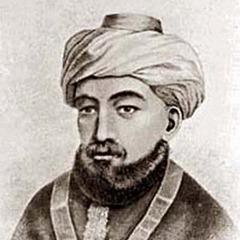
Maimonides
Maimonides, born on March 30, 1135 and died on December 12, 1204, was a Jewish philosopher, physician, and legal scholar. He is renowned for his contributions to philosophy, medicine, and Jewish law. more
You May Also Like
Source: The Guide for the Perplexed
Source: The Guide for the Perplexed
Source: Guide for the perplexed
Source: The Guide for the Perplexed
“Literature tells very little to those who understand it.”
Source: Selected Writings: 1913-1926
Source: The Divine Comedy: Volume 3: Paradiso
“Love kindled by virtue always kindles another, provided that its flame appear outwardly.”
Source: Delphi Complete Works of Dante Alighieri (Illustrated)
Source: Samperi-- Dante: Frank Samperi's translations of the first two cantos of Dante's Paradiso ; with an introductory essay by Harry Gilonis