Quotessence
Home / Quotes / Quote by Gregory A. Boyd

Quote by Gregory A. Boyd

“The sin that Jesus bore, and that we are now empowered to live free from, includes all the sinful warrior deity images humans throughout history have projected onto God. In this way, the cross is at one and the same time the definitive revelation of the true loving God and the "crucifixion of the warrior god". And just as we should forever revolt against the sin and that was permanently put to death on the cross, so too followers of Jesus should forever revolt against the sinful warrior image of God that was permanently put to death on the cross.”

Quote by Gregory A. Boyd

Author
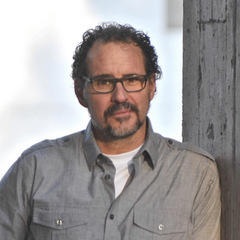
Gregory A. Boyd
Gregory A. Boyd

Gregory A. Boyd, born on June 2, 1957, is a pastor whose theological views have had a profound impact on the Christian community. more

You May Also Like

“Today, there are over 7,000 languages spoken throughout the world. They may sound different, but in every case, they're drawing on the same regions of the brain. If you had told me that stone-tool-making had something to do with our ability to speak, I would have said you've got rocks in your head, but the latest studies indicate that once Homo erectus got creative with stone, our brains were on the way to inventing the most powerful tool of all: language.”

“Try to keep your mouth shut until you have a job offer, especially if your move is not entirely certain. There are only a few cases in which I think it would be appropriate to tell your boss what's going on. For example, if your spouse is being forced to relocate, obviously you are going to go, and if you have a good relationship with your boss, then it might take some stress off of you to tell the truth. The general rule, though, is not to give your employer more power over your destiny than you have yourself.”

“Establishing a client state in Iraq would significantly enhance that strategic power, a matter of great significance for the future. As Zbigniew Brzezinski observed, it would provide the US with "critical leverage" of its European and Asian rivals, a conception with roots in early post-war planning. These are substantial reasons for aggression - not unlike those of the British when they invaded and occupied Iraq over 80 years earlier, at the dawn of the oil age.”