“The like is not the friend of the like in as far as he is like; still the good may be the friend of the good in as far as he is good.”
Quote by Plato
Work
The Works of Plato: Charmides, Lysis, Other Dialogues and the Laws
The Works of Plato: Charmides, Lysis, Other Dialogues and the Laws is a compilation of key philosophical texts attributed to Plato, encompassing a range of his dialogues that explore ethics, politics, and metaphysics. It includes the dialogues 'Charmides' and 'Lysis', which delve into the nature of virtue and friendship, respectively. The collection also features a selection of other dialogues, as well as 'The Laws', a comprehensive work on political philosophy and the ideal state. more
Author
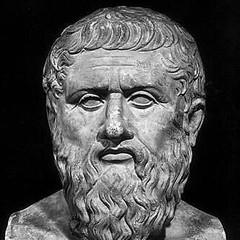
Plato
Plato (428 BC - 348 BC) was a prominent Greek philosopher, one of the most influential figures in Western philosophy. He founded the Academy, which was the first institution of higher education in the Western world. Plato's philosophy, centered around the theory of Forms, emphasized the importance of reason and morality. more
You May Also Like
Source: The Dialogues of Plato
Source: The Dialogues of Plato
Source: The Dialogues of Plato
“I am not given to finding fault, for there are innumerable fools.”
Source: The Dialogues of Plato
Source: The Portable Plato
“The wrong use of a thing is far worse than the non-use.”
Source: Stoic Six Pack 7: The Sophists
“All who do evil and dishonorable things do them against their will.”
Source: The Works of Plato: Charmides, Lysis, Other Dialogues and the Laws
Source: The Works of Plato: Charmides, Lysis, Other Dialogues and the Laws
“In the world of knowledge, the idea of good appears last of all, and is seen only with effort.”
Source: Education: Ends and Means