“The Future is, of all things, the thing least like eternity. It is the most temporal part of time--for the Past is frozen and no longer flows, and the Present is all lit up with eternal rays.”
Quote by C. S. Lewis
Work
The Screwtape Letters & Screwtape Proposes a Toast
This book is a satirical exploration of the Christian concept of spiritual warfare through the correspondence between a senior demon, Screwtape, and his nephew, Wormwood. The letters delve into the tactics of temptation and the nature of human weakness. Additionally, Screwtape Proposes a Toast provides further insights into the demon's perspective on human nature and the challenges of influencing human behavior. more
Author
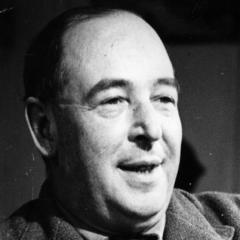
C. S. Lewis
C. S. Lewis was a British novelist, academic, and Christian theologian. He is renowned for his fictional works, particularly The Chronicles of Narnia, a series of fantasy novels that have become a beloved classic of children's literature. Lewis also penned adult fiction, including the science fiction trilogy Out of the Silent Planet and the space trilogy. His non-fiction works, such as Mere Christianity and The Problem of Pain, have had a significant impact on Christian thought and spirituality. more
You May Also Like
“Gratitude looks to the Past and love to the Present; fear, avarice, lust, and ambition look ahead.”
Source: The Screwtape Letters & Screwtape Proposes a Toast
“Each time is true, but the truths are not the same.”
Source: Einstein's Dreams
“Time is the clarity for seeing right and wrong.”
Source: Einstein's Dreams
“What sense is there in continuing when one has seen the future?”
“A world with one month is a world of equality.”
Source: Einstein's Dreams
“The tragedy of this world is that no one is happy, whether stuck in a time of pain or joy.”
Source: Einstein's Dreams
Source: Einstein's Dreams
“Each person who gets stuck in time gets stuck alone.”
Source: Einstein's Dreams