“The opposition of white workers to the continued competition of slave labor was an important factor in ending slavery in the North.”
Quote by Philip S. Foner
Work
Organized Labor and the Black Worker 1619-1973
Browse quotes and source details for this work. more
Author
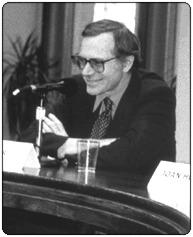
Philip S. Foner
Philip S. Foner (December 14, 1910 – December 13, 1994) was an American Marxist historian, labor scholar, and editor. Born in New York City, he dedicated his career to studying the U.S. labor movement, socialist thought, and African American history. He is best known for his multi-volume work 'History of the Labor Movement in the United States,' which systematically chronicles workers' struggles from colonial times to the 20th century. Foner also edited the 'Life and Writings of Frederick Douglass' and other key texts. His leftist views often sparked controversy, but his rigorous archival research and interdisciplinary approach laid foundations for American social history. He taught at several universities, including Lincoln University and Columbia University, and received multiple academic honors. more
You May Also Like
Source: Who Freed the Slaves?: The Fight over the Thirteenth Amendment
“you gonna figure it all out and it's going to be so worth it, despite it all.”
Source: Traveling Souls
Source: Caste: The Origins of Our Discontents
Source: New Reform
Source: America, A Love Story
“Every year has an expiration date, as does every lifetime. Even the finest wine can’t age forever.”
“Just because we can doesn't mean we should and just because we should doesn't mean we can.”