Quotessence
Home / Quotes / Quote by Zig Ziglar

Quote by Zig Ziglar

“_عندما تعلم في عقلك و في قرارة نفسك انك منحت مشروعا ما قصارى جهدك و كل ما تستطيع بذله , و مع ذلك لم تحقق النجاح , لا تستسلم , ابدأ ببساطة مشروعا جديدا .”

Quote by Zig Ziglar

Work

See You at the Top

This book is a guide for individuals seeking to elevate their achievements and aspirations. It provides insights into the mindset and actions required to reach the top, emphasizing the importance of perseverance, determination, and self-belief. The content is designed to inspire and motivate readers to push beyond their limits and realize their full potential. more
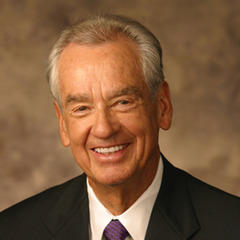
Author

Zig Ziglar
Zig Ziglar

Ziglar was an American author, motivational speaker, and coach. He is renowned for his motivational books and speeches that encouraged personal development and success. His work emphasized the power of positive thinking and the significance of goal setting. more

You May Also Like

“I used to think I was the strangest person in the world but then I thought, there are so many people in the world, there must be someone just like me who feels bizarre and flawed in the same ways I do I would imagine her, and imagine that she must be out there thinking of me too. well, I hope that if you are out there you read this and know that yes, it’s true I’m here, and I’m just as strange as you.”

“She felt as if she had somehow failed him and herself by allowing his mother’s behavior to upset her. She should be above it; she should shrug it off as the ranting of a village woman; she should not keep thinking of all the retorts she could have made instead of just standing mutely in that kitchen. But she was upset, and made even more so by Odenigbo's expression, as if he could not believe she was not quite as high-minded as he had thought.”

“To the bankrupt poet, to the jilted lover, to anyone who yearns to elude the doubt within and the din without, the tidal strait between Manhattan Island and her favorite suburb offers the specious illusion of easy death. Melville prepared for the plunge from the breakwater on the South Street promenade, Whitman at the railing of the outbound ferry, both men redeemed by some Darwinian impulse, maybe some epic vision, which enabled them to change leaden water into lyric wine. Hart Crane rejected the limpid estuary for the brackish swirl of the Caribbean Sea. In each generation, from Washington Irving’s to Truman Capote’s, countless young men of promise and talent have examined the rippling foam between the nation’s literary furnace and her literary playground, questioning whether the reams of manuscript in their Brooklyn lofts will earn them garlands in Manhattan’s salons and ballrooms, wavering between the workroom and the water. And the city had done everything in its power to assist these men, to ease their affliction and to steer them toward the most judicious of decisions. It has built them a bridge.”