“Applause abates diligence.”
Quote by Samuel Johnson
Work
The Beauties of Samuel Johnson, Etc. (A New Edition, Being the Ninth.).
This volume presents passages drawn from Samuel Johnson's extensive literary output, which includes his monumental A Dictionary of the English Language, various critical essays, biographical works, and poetic compositions. The compilation reflects a common publishing practice of the period, in which editors would gather and present memorable selections from an author's body of work to make them more accessible to general readers. Johnson was one of the most influential literary figures of the eighteenth century, and his writings on language, criticism, and biography helped shape English literary tradition. The reference to the ninth edition in the title suggests this collection achieved considerable circulation and readership over time, indicating sustained public interest in Johnson's literary and critical contributions. The work would appeal to readers seeking an introduction to Johnson's thought and style through carefully chosen excerpts from his diverse writings. more
Author
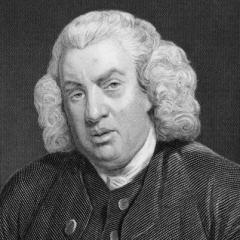
Samuel Johnson
Samuel Johnson was an English writer, poet, and lexicographer, renowned for his comprehensive English dictionary, 'A Dictionary of the English Language', published in 1755. His distinctive writing style and wit have cemented his place as a significant figure in the history of English literature. more
You May Also Like
Source: The Letters of Samuel Johnson, Volume II: 1773-1776
Source: Boswell's Life of Johnson: Including Boswell's Journal of a Tour of the Hebrides, and Johnson's Diary of A Journey Into North Wales
Source: The life of Samuel Johnson, LL. D., comprehending an account of his studies, and numerous works, in chronological order: a series of his epistolary correspondence and conversations with many eminent persons; and various original pieces of his composition, never before published; the whole exhibiting a view of literature and literary men in Great Britain, for near half a century during which he flourished
Source: Hymns of the Spirit
Source: The Rambler: A Periodical Paper, Published in 1750, 1751, 1752
“Pour forth thy fervors for a healthful mind, Obedient passions, and a will resigned”
Source: Selected poetry and prose